
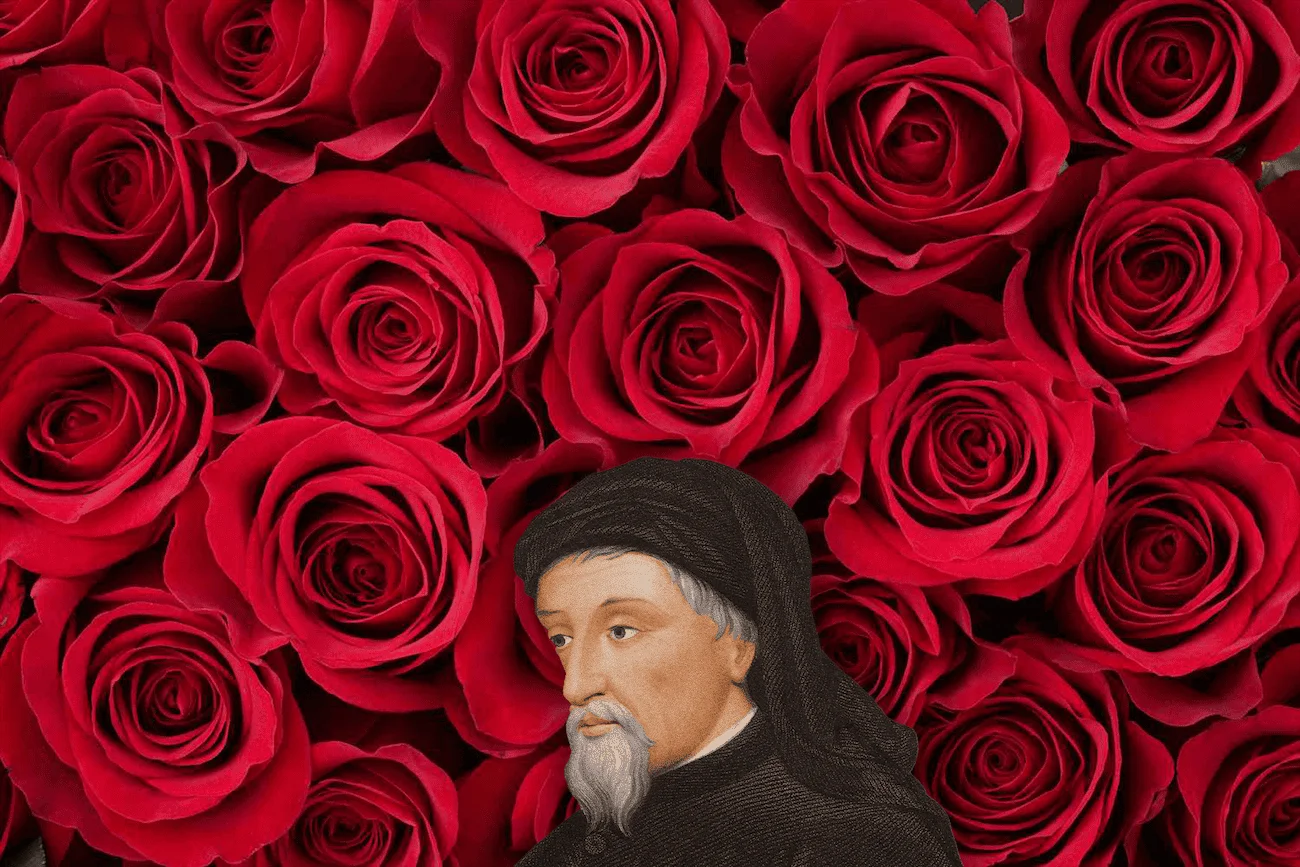
Valentine’s Day — observed every year on February 14 — is one of the most widely recognised celebrations of affection and love around the world. Though today it’s associated with roses, chocolates, and romantic dinners, the holiday has a long and eclectic history that blends folklore, religion, cultural rituals, and commercial traditions.
What Is Valentine’s Day?
Valentine’s Day is an annual occasion when people express love and affection — often through cards, flowers, chocolates, gifts, and special dates. While many see it as a romantic holiday, people also celebrate it with family, friends, and loved ones in various forms.
Ancient Roots and Saint Valentine
The precise origin of Valentine’s Day isn’t definitively documented, but its story weaves together ancient cultural traditions and Christian history:
- Pagan beginnings? Some historians connect the date to an ancient Roman festival called Lupercalia, which was celebrated in mid-February and involved fertility rites and rites of purification.
- Saint Valentine: The holiday took its name from one (or possibly more) early Christian martyrs named Valentine. A popular legend tells of a priest who defied an imperial ban on marriage, secretly marrying couples. For his actions, he was executed on February 14 around AD 270.
Although these stories are steeped in legend and medieval embellishment, they laid the symbolic groundwork for Valentine’s Day as a celebration linked to love and human connection.
From Medieval Romance to Modern Customs
Valentine’s Day didn’t become widely associated with romantic love until the late medieval period. The English poet Geoffrey Chaucer helped popularise the idea that February 14 was a day for lovers when he referenced it in poems about courtship in the 14th century.
During the 18th and 19th centuries, expressions of affection solidified into traditions we recognise today:
- Love letters and valentines: Written valentines date back to the 15th century, and by the early 1800s, mass-produced greeting cards became common.
- Flowers and chocolates: Roses, especially red ones, became symbolic of love, and chocolates — including heart-shaped boxes — emerged as popular gifts in the 19th century and beyond.
Today Valentine’s Day is a major commercial and cultural event in many countries across the globe.
Around the World: Different Ways to Celebrate
Valentine’s Day customs vary across regions:
- In some European countries, the day is celebrated not just by couples but by friends and families.
- In parts of Asia, related observances like White Day (typically on March 14) give reciprocal gifts after Valentine’s Day.
- Some countries experience controversy or mixed reactions toward the celebrations, due to cultural or religious views on the holiday.
Symbols and Traditions: More Than Meets the Eye
Valentine’s Day has inspired a rich set of enduring symbols:
- The Heart: Symbolising affection, the heart shape became strongly associated with emotion and love over centuries of artistic and cultural use.
- Cupid: Often depicted as a cherubic figure with a bow and arrow, Cupid’s origins trace back to classical mythology.
- Candy and Roses: Today, roses remain the classic flower of Valentine’s Day, while chocolates continue to be among the most popular gifts.
Why It Endures
Valentine’s Day continues to evolve. For many, it’s an opportunity to celebrate love in all forms — romantic, platonic, familial, or cultural. For others, it’s a chance to embrace creativity, connection, and generosity.
Whether marked with traditional gifts, meaningful gestures, or simple expressions of appreciation, Valentine’s Day remains a reminder of the ways people cherish one another across cultures and generations.